

New ski gloves in 2025 ? Ski gloves are an important part of your equipment, as they protect your hands from damage, wind and weather. In this guide, we will go over the most important considerations you should keep in mind when choosing ski gloves.
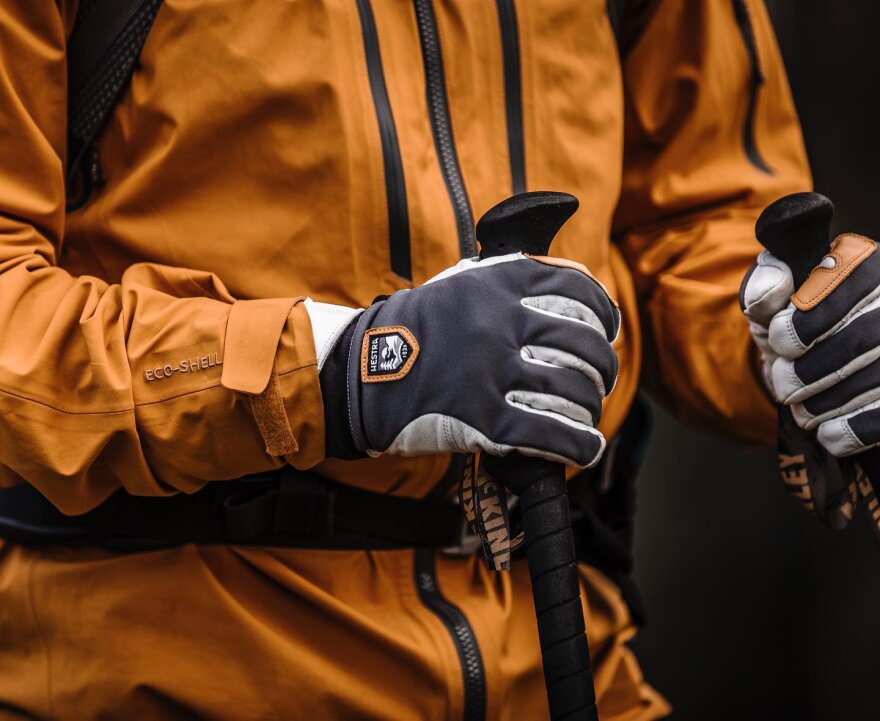
Welcome to our ultimate guide to choosing the perfect ski gloves for your next ski holiday! Ski gloves are an important part of your equipment, as they protect your hands from damage, wind and weather. In this guide, we will go over the most important considerations you should keep in mind when choosing ski gloves. We will also look at the differences between mittens, 3-finger gloves and 5-finger gloves and give you tips on how to find the best pair for your needs.
Whether you are an experienced skier or a beginner, this guide will help you choose the perfect ski gloves for your next ski trip.
What ski gloves are available and which should I choose?
Choosing ski gloves depends on your preferences and the weather. It is therefore important that you choose gloves based on fit and your requirements for functionality.
There are 3 different types of ski gloves: mittens, 3-finger glove and 5-finger glove.
Mittens
Mittens are the warmest of the three types. This is because the thumb sits on its own, while the four other fingers are together in the same "room". This provides the best warmth, as the four fingers can warm each other. The disadvantage of the mitten is that you will experience a lack of dexterity, as four fingers are together. We recommend the mitten for those of you who refuse to freeze.
Our recommendations for mittens for your ski holiday:
3-finger glove
We recommend this glove for those who have problems keeping warm, but at the same time want some freedom of movement.
Our recommendations for 3-finger gloves:
5-finger glove
The 5-finger glove is the traditional and best-selling glove. The glove is among the customers' favorites, as it provides great freedom of movement. The disadvantage of this glove is that the fingers are in their own compartment, which is why it can be more difficult to keep warm in it. We recommend this glove for those who want maximum freedom of movement and usually have no problems keeping warm.
Our recommendations for 5-finger gloves:
Gloves with built-in heating, inner gloves and glove covers
In addition to the above three classic glove types, there are also gloves with built-in heating, inner gloves and glove covers.
- Gloves with built-in heating are designed for those of you who have tried everything but are still freezing. Gloves with built-in heating work differently from model to model. Most models run on rechargeable batteries that last a day and then need to be charged using an electrical outlet.
- Inner gloves are designed to be worn under your regular ski gloves. For an inner glove to be effective, it must be made of merino wool. The reason merino wool is the preferred material is because of its ability to regulate heat, whether the glove is wet or dry. As a rule of thumb, such a glove will give you 20% more warmth.
- Glove covers are a supplement to the regular ski glove. A glove cover is a 100% wind and waterproof shell, shaped like a mitten. This can be used on all types of gloves and is pulled over the regular glove. The idea with the cover glove is that it should stop all wind and water, thereby providing additional protection and warmth.
Our three recommendations:
What should I consider when choosing new ski gloves?
When choosing the right ski gloves, there are some important factors to consider. You obviously want gloves that will keep your hands warm in even the coldest weather, but they also need to be waterproof and breathable. The right fit is also crucial for optimal freedom of movement, but they also need to be sturdy enough to not be cut by skis and boots.
The price of ski gloves varies. While price is important, remember to strike a balance between price and quality to ensure you get the best ski gloves for your next trip to the slopes. A more expensive glove will often be made of quality materials, such as leather of various types of hides, while cheaper gloves are made of artificial materials.
So before you buy, you should research the options to find the right glove for your needs. Below we have put together some points that you should consider when finding the right ski glove.
-
Comfortable and warm: Gloves with good insulation are important as they keep your hands warm in cold weather.
- Waterproofness: The gloves should be waterproof to protect your hands from snow and water
-
Breathability: The gloves should also have good breathability to prevent your hands from sweating.
-
Fit: The gloves should fit your hands well and provide good freedom of movement.
-
Durability: Gloves need to be robust and durable to withstand the stresses they are exposed to while skiing. Leather gloves can be cared for and therefore last longer than artificial materials.
- Price: It is important to find a balance between price and quality so that you get a good product at a fair price.
Should I choose mittens or gloves for my ski holiday?
It depends on your personal preference. If you want a good grip on your ski poles and feel in your fingers, then you should choose gloves. Gloves give you better feel in your fingers, so you can have good control over your ski poles and grip. However, if you want extra warmth for your fingers and palms, then mittens may be a better choice. Mittens also cover more of your hand and often have better insulation than gloves.
What materials should my ski gloves be made of?
The advantages of leather ski gloves include their strength, windproofness, waterproofness, breathability and the possibility of ongoing care, which extends the life of the glove. Combination gloves made of leather and classic ski gloves are also available, and they are more durable than regular ski gloves. However, the price of leather gloves can be higher, and maintenance is necessary to maintain their good properties. On the other hand, a leather ski glove lasts significantly longer than gloves made of artificial materials.
Synthetic ski gloves can vary in quality and price, with more expensive gloves usually having better durability, insulation and breathability. Breathable membranes are often used in more expensive gloves, to transport sweat away and prevent condensation from forming inside the glove. The disadvantages of synthetic gloves include that some cheaper models can be less breathable and less durable. However, the advantages of synthetic gloves are that they have a lower price point.
Insulating material and lining in the glove
Insulation materials such as down, wool, Primaloft and Thinsulate are often used in ski gloves to keep your hands warm. Down and wool are great for dry, cold weather, while Primaloft is a good choice for wet weather due to its warmth and breathability, even in damp conditions. Thinsulate is ultra-thin and provides excellent insulation without being too bulky, making it ideal for gloves and mittens where dexterity is a priority. It is important to remember that down loses its warmth if it gets wet, while wool retains warmth even if the glove gets wet inside.
Membranes, waterproofness and breathability
In addition to material and insulation, the invisible membrane in the outer shell is also an important part of the glove. The membrane is crucial for the glove's ability to keep wind and water out, while allowing your hands to breathe and get rid of excess heat. Quality membranes that you can look for when choosing gloves are gloves marked with CZONE or GoreTex. These membranes are good at keeping wind and water out, while allowing your hands to breathe.
Fertilize ski gloves for children
When you buy When buying ski gloves for your children , you should make exactly the same considerations as you do when buying gloves for adults. The principles regarding materials, abrasions and membranes are the same in children's gloves as in adult gloves. The only difference is price in size.