

The best wetsuits in 2025 - How to find a new wetsuit. We will help you understand and choose the right wetsuit for you based on your needs and activities. The guide will give you insight into everything from price differences, materials, thicknesses, weather conditions. We will give you our recommendations of the best wetsuits so you are ready to hit the water!
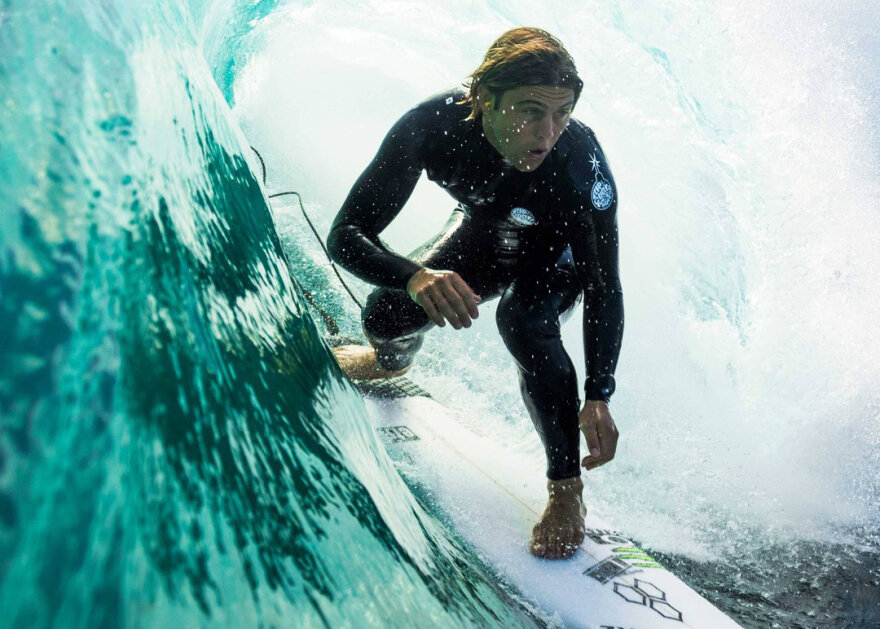
Here you will find the best wetsuit for your needs in 2024
This guide is designed to help you understand and choose the right wetsuit for you based on your needs and activities. It is important that you choose the right wetsuit, as it can extend your water season and increase your safety and comfort on the water. The guide will give you insight into everything from price differences, materials, thicknesses, weather conditions and activities. Below is a list of three of the best wetsuits in each category.
If you are still unsure about which suit to choose after reading the blog, you are more than welcome to stop by our store at Rungsted Havn or call us.
Below you will find our recommendations on Wetsuits for different needs for both men, women and children.
Wetsuit for summer - The short "shorties" for summer use:
Affordable wetsuits - 'Entry Level' perfect for those who want to get started
Probably the best wetsuits - For those who don't compromise
The best wetsuits for children
When should I use a wetsuit?
- Surfing (Windsurfing, kitesurfing, wavesurfing and wingfoiling)
Surfing wetsuits are the most common type on the market. This type of wetsuit is often made of a very flexible and strong material and is therefore truly versatile for most water activities.
-
Diving
A wetsuit is often thicker than most other suits on the market, which also makes it stiffer and harder to put on. We recommend that you only buy a wetsuit if scuba diving is the primary purpose of the suit. Alternatively, you can choose a 6/5 mm surf suit.
-
Swimming
Wetsuits for swimming can have different purposes. Many people buy a short-sleeved wetsuit for children that they can use in the swimming pool. If this is the purpose of the suit, a surf suit is recommended, as it is cheaper and more durable than a swimsuit. If you are going to use the suit for recreational swimming in the sea, you can choose to use a surf suit or a swimming suit. Surf suits are available in different price ranges and are more durable than swimming suits. The advantage of the swimming suit is that it is made of smooth leather, which gives you a better glide through the water, while at the same time there is extra buoyancy in the lower back.
If you are going to use the suit for anything other than swimming, we recommend that you buy a surf suit instead of a swimsuit. If you are going to use the suit for more than just exercise, for example triathlon or competition, you will get more out of a swimsuit than a surf suit.
-
Kayak and canoe
For kayaking, long johns (for men) and long janes (for women) are often preferred as wetsuits. This type of wetsuit has long legs and no sleeves, which gives you good flexibility for paddling. It is also popular to wear a rain jacket or hoodie over your long john or jane. If you want a long-sleeved wetsuit, surf suits are the best alternative.
-
Stand-up paddling (SUP)
For SUP we recommend that you wear a wetsuit or a long john/jane. A wetsuit will often be warmer as it closes tightly around your arms. If you want a wetsuit but still prefer short sleeves, you can look for a shorty or a wetsuit with long legs and T-shirt sleeves.
-
Jet ski/water scooter
For those who are going to be jet skiing/water scootering, we recommend a classic surf suit. This is available with short sleeves and legs, long sleeves and legs, or short sleeves and long legs. Which type you prefer depends on your personal needs and preferences.
-
Water skiing and wakeboarding
If you need a wetsuit for water skiing, wakeboarding and the like, we recommend a classic surf suit. This is available with short sleeves and legs, long sleeves and legs, or short sleeves and long legs. Which type you prefer depends on your personal needs and preferences.
How does a wetsuit work?
A wetsuit works by letting a little water into the suit and then heating it up. It is not meant to keep the water out completely. Since the water has to enter the suit, it is therefore important that it fits snugly. The more air there is, the more water gets in and therefore it takes longer for it to warm up. If the suit fits too loosely, there will also be more frequent water changes, which is why the water never has time to warm up properly.
In addition to as little space as possible, the quality of the neoprene and the glues/stitches also help to keep water and heat in. If the suit is glued together, water has a harder time getting in and out than if it is sewn through.
In addition to as little space as possible, the quality of the neoprene and the glues/stitches also help to keep water and heat in. If the suit is glued together, water has a harder time getting in and out than if it is sewn through.
Some wetsuits work with a lining on the inside. These types are usually more expensive, but help warm up the water even faster.
Considerations you should make before buying wetsuits
When you need to buy a new one wetsuit , there are several considerations that you should make. First of all, you should think about what you will use the suit for and when you will use it. Secondly, it is important to check the fit and decide for yourself how much you want to sacrifice on a wetsuit. The third point you should consider is design and color. We have made 6 points that you should take into account when choosing wetsuits.
- The purpose of the wetsuit
- The type of your water sport
- The thickness of neoprene
- Price
- Fit (how to ensure the right size)
- Design and color
1. Purpose of the wetsuit/2. Type of water sport
As mentioned in the previous section, there are different types of wetsuits for different water activities. When choosing a wetsuit, it is important that you have decided what you will be using it for. If the purpose is ocean swimming, you should consider a swimsuit versus a surf suit. If the purpose is kayaking, you can consider whether you should wear a longejohn or a longeja. If the purpose is diving, you should consider a diving suit. In the section above, you can see the difference between suits for different water sports activities. 3. Wetsuit thickness
It is also important to consider whether you are mostly in the water or more above the water. For example, if you are an experienced SUP rider, you will often spend more time above the water than in the water, whereas a wave surfer spends more time in the water than above the water. This is important to consider, as it can affect how thick a wetsuit you need. Below we have made a little rule of thumb for how thick a wetsuit you should choose for different water temperatures.
|
Water temperatures |
Type and thickness |
| + 25 degrees |
UV T-shirt or neoprene T-shirt |
| 21 - 25 degrees |
2mm shorty |
| 17 - 21 degrees |
3/2 or 2/2 with long legs and short sleeves |
| 12 - 17 degrees |
3/2 with long sleeves and legs |
| 8 - 12 degrees |
4/3 mm long sleeves and legs |
| 3 - 8 degrees |
5/4 mm long sleeves and legs |
| Below 3 degrees |
6/5/4 with longer sleeves and legs + integrated hood |
4. Price
There is a clear and obvious correlation between the quality and price of wetsuits. The really cheap wetsuits (100-500 kroner) are very stiff and coarse in material, which makes it less comfortable to wear, and in some cases it can lead to long-term itching and the development of neoprene allergy.
Mid-range wetsuits (700-1500 kroner) are good as standard wetsuits. Here the materials are upgraded and more soft and flexible.
When you move up into the more expensive suits (+1500 approx.) , more and more features are added. These features include increased flexibility in the neoprene, work with lining and insulation, and optimization of the joints. The cheaper wetsuits are often sewn through, where the more expensive wetsuits are glued or both sewn and glued. A glued wetsuit helps you stay warm, as water has a harder time penetrating through than is the case with sewn-through wetsuits.
Why is a wetsuit a good idea for the Danish water temperatures in the summer?
A wetsuit is a good idea because it extends your season and gives you more opportunities to be on the water. Even in the summer, a wetsuit can be useful because the Danish waters are rarely warm enough to swim for long periods of time without hypothermia. A thin wetsuit can help you stay warm for longer, so you can be active on the water for longer periods of time or on days when it is a little colder.
In addition to keeping you warm in the water, a wetsuit also protects your body from the cold of the wind. Even if the air is 25 degrees and the water is 22 degrees, the wind can still feel cold, especially if your body is already wet. A wetsuit protects you from the cold of the water and prevents the wind from cooling you down further, making it useful even in the summer.
6. Design and color
Design and color can be difficult to abstract from, but we recommend that you try. In the wetsuit world, there are not a myriad of colors in each model. Most models are only made in one color in the given thickness. A different thickness in the same model may have a different color, but that color is rarely available in a different thickness.
We therefore recommend that you look for the right wetsuit that suits your functional needs more than your personal preferences for color and design.
5. Fit of the wetsuit
For a wetsuit to have the best chance of keeping you warm, the fit should be as tight as possible. Since the fits need to be so tight, several brands work with regular sizes + different lengths. This means that you can, for example, get a suit in size MT which is a medium tall, i.e. a medium body, but with extra length. The same applies to an MS, which is a medium short, i.e. a medium body with less length.
|
Master |
Height in cm |
Weight in kg |
Chest in cm |
Waist in cm |
| XS |
170-175 |
57-64 |
93-95 |
72-75 |
| SS (S-short) |
166-171 |
59-68 |
95-99 |
75-79 |
| S |
173-178 |
61-70 |
95-99 |
75-79 |
| ST (S-number) |
183-188 |
66-75 |
95-99 |
75-79 |
| MS (M-short) |
169-174 |
66-75 |
99-104 |
79-84 |
| M |
175-180 |
70-77 |
99-104 |
79-84 |
| MT (M-number) |
185-191 |
73-82 |
99-104 |
79-84 |
| LS (L-short) |
171-177 |
73-82 |
104-110 |
84-89 |
| L |
178-183 |
77-86 |
104-110 |
84-89 |
| LT (L-number) |
188-193 |
82-91 |
104-110 |
84-89 |
| XLS (XL short) |
174-179 |
82-91 |
110-117 |
89-94 |
| XL |
180-185 |
86-95 |
110-117 |
89-94 |
| XLT (XL-number |
191-196 |
91-100 |
110-117 |
89-94 |
| 2XL |
183-188 |
95-104 |
117-123 |
94-99 |
| 3Xl |
183-191 |
104-113 |
123-130 |
99-112 |
| 4xl |
185-193 |
113-122 |
130-136 |
112-122 |
|
Lady |
Height in cm |
Weight in kg |
Chest in cm |
Waist in cm |
| 4 (XS) |
160-165 |
45-52 |
77-83 |
64-69 |
| 6S (S-short) |
159-164 |
48-54 |
80-85 |
66-71 |
| 6 (S) |
163-168 |
50-57 |
80-85 |
66-71 |
| 6T (S-number) |
166-171 |
52-59 |
80-85 |
66-71 |
| 8S (M-short) |
161-66 |
52-59 |
83-88 |
69-74 |
| 8 (M) |
165-170 |
54-61 |
83-88 |
69-74 |
| 8T (8-digit) |
169-174 |
57-64 |
83-88 |
69-74 |
| 10S (L-short) |
164-169 |
57-64 |
86-91 |
74-77 |
| 10 (L) |
158-173 |
59-68 |
86-91 |
74-77 |
| 10T (L-number) |
171-177 |
61-70 |
86-91 |
74-77 |
| 12 (Xl) |
170-175 |
64-73 |
90-95 |
77-81 |
| 14 (XXL) |
173-178 |
68-77 |
94-99 |
79-85 |
| 16 (XXXL) |
175-180 |
75-84 |
98-103 |
85-89 |
|
Children |
Height in cm |
Weight in kg |
Chest in cm |
Waist in cm |
| 1 |
88-98 |
11-13 |
48-53 |
46-51 |
| 2 |
98-108 |
13-16 |
51-56 |
48-53 |
| 3 |
108-118 |
16-18 |
53-58 |
51-56 |
| 4 |
119-126 |
18-25 |
58-64 |
51-56 |
| 6 |
126-133 |
23-30 |
62-67 |
55-60 |
| 8 |
133-141 |
27-34 |
66-71 |
58-64 |
| 10 |
141-147 |
34-41 |
71-76 |
58-64 |
| 12 |
147-155 |
41-48 |
74-79 |
64-69 |
| 14 |
155-163 |
48-55 |
79-84 |
69-74 |
| 16 |
163-170 |
55-61 |
84-89 |
71-76 |
How to maintain your wetsuit
A wetsuit is easy to maintain and doesn't require much care. However, there are a few things you should do after each use to extend the life of your wetsuit:
- Rinse the suit in cold water after use.
- Hang the suit to dry, inside out, on a sturdy plastic hanger.
- Avoid direct sunlight and heat.
- Even if the suit is dry, leave it hanging on the hanger until you need to use it again next time.
If your wetsuit starts to smell bad, you can wash it. However, it is important that you NEVER put it in the washing machine or dryer as the neoprene will melt and ruin the suit and the machines. It is also important that you use the right wetsuit soap.
When washing/rinsing the suit, do so in a large tub of lukewarm water and add your wetsuit soap . Afterwards, rinse the suit thoroughly in a tub of clean water, changing the water regularly to make sure all the soap comes out. Then hang the suit to dry on a plastic hanger out of direct sunlight.
Conclusion
When choosing a new wetsuit, there are 3 things you should pay special attention to:
- Choose a suit that fits the right purpose
- Choose a suit in the right thickness
- Make sure to find a suit with the right fit (as tight as possible)
Once you have chosen the suit and start using it, remember the four maintenance tips!
- Rinse the suit in cold water after use.
- Hang the suit to dry, inside out, on a sturdy plastic hanger.
- Avoid direct sunlight and heat.
- Even if the suit is dry, leave it hanging on the hanger until you need to wear it again next time.
Are you unsure about which suit to choose? We are always ready to help you. You can reach us at:
- Physically in the store - Rungsted Havn 28, 2960 Rungsted Kyst
- Email - gumpel@gumpel.dk
- Phone - 45 86 25 86
- Find us at Facebook